Why Markham Commercial Metal Roof Coatings Can Enhance Durability
Extend the Lifespan: A Comprehensive Guide to Professional Metal Roofing Coatings
Metal roof coatings are essential for extending the service life and resilience of commercial rooftops. These coatings provide defense against environmental factors such as UV radiation and moisture, ensuring long-term efficiency. Recognizing the different varieties and their distinct advantages is crucial. Additionally, applying proper installation methods and upkeep routines can significantly impact long-term results. Still, many building owners fail to account for critical elements when picking coatings, causing preventable financial setbacks. What factors should be evaluated to get the most out of their investment?
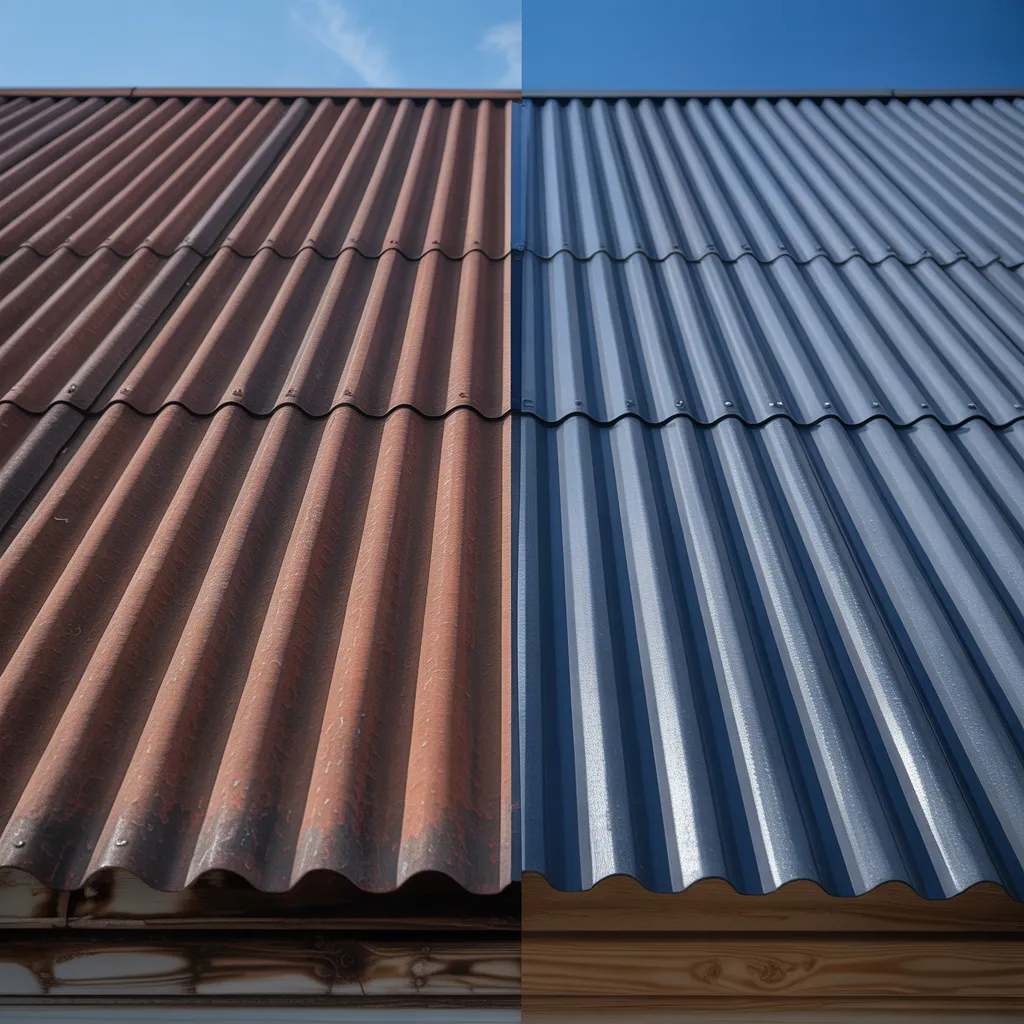
Understanding Metal Roof Coatings and Their Importance
Metal roof coatings serve as a protective layer for commercial roof structures, boosting durability and long-term performance. Such coatings, typically formulated from materials like polyurethane, silicone, or acrylic, create a seamless barrier that defends against environmental elements such as moisture, UV rays, and extreme temperatures. With the use of a metal roof coating, property owners can significantly reduce the risk of corrosion, rust, and leaks, which can undermine the structural integrity of the roof.
Furthermore, these coatings increase energy efficiency by bouncing back sunlight, thereby lowering cooling costs. The coating process is fairly easy, generally causing minimal disruption to business operations. Furthermore, metal roof coatings can prolong the life of established roofing systems, making them a cost-effective solution for maintenance. In conclusion, metal roof coatings not only safeguard but also improve the general performance of commercial roofing structures, making them a vital factor for property upkeep and management approaches.
Primary Benefits of Metal Roof Coatings for Enhanced Longevity and Efficiency
Using metal roof coatings offers many benefits that substantially boost both lifespan and effectiveness for commercial structures. One significant benefit is the safeguarding from environmental elements, such as wind, UV radiation, and rain, which can cause early degradation. This defensive barrier works to prolong the life of the roofing structure, reducing the need for frequent repairs or replacements.
Moreover, metal roof coatings boost energy efficiency by bouncing back sunlight, thereby reducing cooling costs. This light-bouncing property serves to stabilize a steady indoor temperature, contributing to a more agreeable environment.
Furthermore, these coatings work to diminish the threat of corrosion and rust, thereby preserving the overall stability of the roof. By closing small gaps and leaks, they strengthen waterproofing capabilities, guarding against moisture-related deterioration. Ultimately, the installation of metal roofing coatings not only ensures long-lasting performance but also supports energy efficiency, making them a wise investment for business property owners pursuing long-term value and operational savings.
Selecting the Top Metal Roof Coating for Long-Lasting Results
Picking the right metal roof coating is crucial for optimizing longevity and performance. Several factors impact this choice, including environmental conditions, roof slope, and specific building requirements. Superior coatings, such as silicone, acrylic, or polyurethane, provide notable advantages. Silicone coatings deliver outstanding UV resistance and waterproofing, making them suitable for regions with significant rainfall. Acrylic coatings are known for their reflectivity and energy efficiency, which can decrease cooling costs. Polyurethane options offer exceptional durability and abrasion resistance, well-suited for areas with heavy foot traffic.
Moreover, adequate surface preparation is essential for adhesion and prolonged performance. Professionals should select coatings with a reliable history in commercial roofing applications. Verifying compatibility with current roofing materials will also enhance the lifespan of the roof. In the end, the optimal selection will meet specific environmental requirements and performance standards, providing a resilient, budget-friendly solution for professional metal roofing applications.
Choosing the Right Metal Roof Coating: A Comparative Guide
When selecting a metal roof coating, understanding the distinct advantages of acrylic and silicone options is essential. Acrylic coatings are known for their affordability and ease of application, while silicone coatings provide exceptional durability and outstanding moisture resistance. Evaluating these characteristics can help determine the best fit for specific roofing needs.
Advantages of Acrylic Coatings
Acrylic coatings deliver numerous benefits that establish them as a top choice for metal roofing on commercial buildings. One significant benefit is their superior UV protection, which works to preserve the roof's durability and aesthetics over time. These water-based coatings are, ensuring they are environmentally responsible and straightforward to apply. In addition, acrylic coatings are highly flexible, permitting them to expand and contract with temperature fluctuations without developing cracks. Their affordability also contributes to their appeal, providing effective protection without breaking the budget. Moreover, acrylic coatings are offered in a wide range of colors, allowing property owners to improve aesthetics while guaranteeing reliable performance. Collectively, these qualities establish acrylic coatings as a dependable solution for building owners in need of durable and high-performing metal roof alternatives.
Silicone Coatings Benefits
Numerous benefits make silicone coatings an ideal solution for metal roofs on commercial buildings. These products provide superior resistance to UV rays and severe weather conditions, improving the durability of the roof. Their flexibility allows for effective movement and adjustment, reducing the likelihood of cracks forming. Moreover, silicone coatings are highly reflective, promoting energy efficiency by reducing cooling costs. These coatings also offer excellent bonding characteristics, ensuring a secure bond with the metal surface. Moreover, silicone coatings are resistant to mold and mildew, thereby improving indoor air quality. Maintenance is simplified, as the coatings require minimal effort to clean and refresh. All in all, silicone coatings represent a reliable and affordable choice for protecting commercial metal roofs against environmental challenges.
Guide to Applying Roof Coatings
Applying roof coatings involves several critical steps to ensure long-lasting results and optimal performance. Initially, proper surface preparation is essential to attain maximum adherence, accompanied by precise application methods that enhance overall coverage. Lastly, understanding the curing and drying process is vital to extending the life of the coating.
Essential Surface Preparation Guidelines
Proper surface preparation is vital for the effective application of roofing coatings. The process starts with a comprehensive inspection to locate any rust, damage, or debris on the roof surface. Cleaning the surface is vital; using a pressure washer or appropriate cleaning solution eliminates existing coatings, dirt, and grease that may affect adhesion. When cleaning is complete, the roof should be left to dry thoroughly. Next, addressing any rust spots with a suitable rust-inhibiting primer helps prevent further deterioration. In addition, seam and flashing repairs should be conducted to secure a consistent surface. Lastly, ensuring the surface remains free of moisture and contaminants will improve the longevity and performance of the applied roofing coatings.
Application Methods Overview
Successfully completing the roof coating application process requires a methodical approach to secure maximum effectiveness and long-term results. Initially, confirm that the surface is dry, clean, and contaminant-free, as this improves adhesion. Following this, select the suitable coating type based on the metal roof's individual specifications. It is best practice to use a primer if necessary, enhancing the bonding performance. When applying the coating, use uniform strokes with a brush, sprayer, or roller, maintaining consistent application. Pay special attention to edges and seams, where leaks are likely to occur. Applying multiple thin coats is usually preferred over a single heavy layer, as they promote superior bonding and curing. Lastly, verify that all safety protocols are adhered to throughout the entire application.
Curing and Drying Procedure
Curing and drying are critical phases in the use of roof coatings, impacting both longevity and effectiveness. Throughout the curing stage, chemical reactions occur that bond the coating to the substrate, enhancing adhesion and resistance to environmental factors. This step commonly necessitates proper temperature and humidity levels, which must be carefully tracked to ensure adequate curing.
Drying, on the other hand, refers to the evaporation of solvents, allowing the coating to harden. Elements like air circulation, application thickness, and surrounding conditions can significantly affect drying time. It is critical to prevent foot traffic or moisture exposure during both phases to avoid imperfections. Complying with manufacturer guidelines guarantees the lasting effectiveness and reliability of the roof coating.
Top Maintenance Tips for a Longer-Lasting Metal Roof Coating
Preserving a metal roof coating is crucial for optimizing its durability and function. Regular inspections play an important role; homeowners should check for evidence of damage, such as discoloration, cracking, or peeling. Periodically cleaning the surface helps stop the collection of dirt and debris, which can hold moisture and result in corrosion. Applying a soft brush or gentle pressure wash with a mild detergent is suggested for effective cleaning without damaging the coating.
Furthermore, ensuring proper drainage is critical. Obstructed gutters and downspouts can result in standing water, raising the potential for corrosion and damage. Handling minor issues without delay, such as sealing small cracks or applying touch-up coatings, may stop further harm from occurring. In addition, scheduling professional inspections every few years may reveal developing problems before they worsen, enabling prompt action that prolongs the lifespan of the metal roof coating. Routine maintenance fundamentally improves resilience and preserves the investment.
Don't Make These Typical Mistakes When Picking Metal Roof Coatings
When selecting a metal roof coating, what pitfalls should property owners be cautious of? A frequent error is failing to evaluate the individual demands of their roofing system. Distinct surroundings and materials demand specialized solutions; see guide a one-size-fits-all approach may lead to premature failure. Moreover, ignoring manufacturer warranties can bring about unanticipated financial burdens if the coating fails to deliver on its claims.
Another frequent error is placing cost above quality. Budget coatings may save money initially but can cause higher expenditures in repairs and replacements down the line. Building owners should also be mindful of DIY applications without adequate knowledge, which can reduce the coating's overall effectiveness.
In the end, overlooking professional consultation can contribute to inadequate product selection. Engaging experienced contractors guarantees the right coating is chosen and applied correctly, thereby extending the roof's lifespan and enhancing its performance.
Common Questions and Answers
How Frequently Should Metal Roof Coatings Be Reapplied?
Generally, metal roof coatings require reapplication every five to ten year interval, according to environmental conditions and wear patterns. Consistent inspections can assist in determining the proper schedule for a fresh application to ensure peak performance and protection.
Can Metal Roof Coatings Be Applied in the Winter?
Using metal roof coatings in winter is typically inadvisable. Frigid conditions can hinder the adhesion and curing process, potentially leading to poor performance. It is best to wait for warmer conditions to ensure proper application and effectiveness.
Do Eco-Friendly Metal Roof Coating Options Exist?
Yes, several eco-friendly metal roof coating choices available. These coatings frequently use water-based solutions, recycled content, and low volatile organic compounds (VOCs), advancing sustainability while ensuring reliable protection and long-lasting durability for metal roof installations.
What Is the Average Cost of Metal Roof Coatings?
The standard cost of metal roof coating products usually ranges from $1.50 to $3.50 per square foot, based on the specific coating material and the individual project requirements, including surface preparation and application techniques.
Will Metal Roof Coatings Affect My Roof Warranty?
Metal roof coatings may potentially void an existing roof warranty if the manufacturer prohibits the use of such products. It's crucial to carefully review the warranty terms and seek guidance from the manufacturer prior to applying any coatings to guarantee coverage remains intact.